Rich Cirminello
What is a TFP Shoot?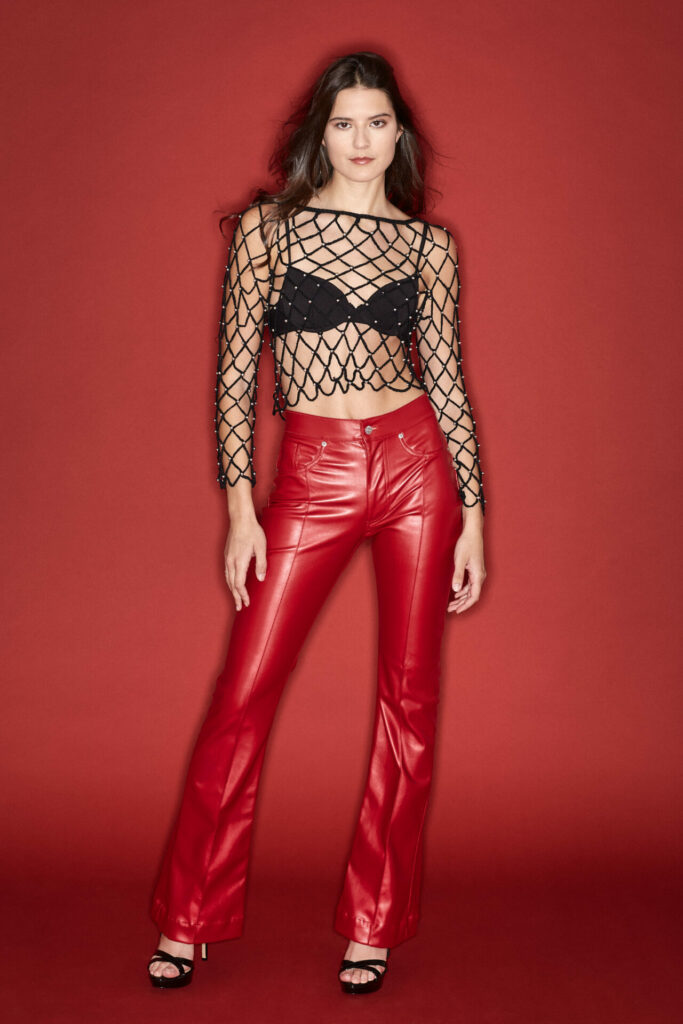
TFP stands for “Time for Prints.” It’s a barter system where services are exchanged rather than paid for. The concept dates back to the film days, when a model would trade their time in exchange for physical photos from the photographer. These prints were used in the model’s portfolio, which they could show to potential clients.
While prints were the standard, today’s TFP arrangements usually involve sharing high-quality, portfolio-ready digital images instead.
How Does TFP Work?
A typical TFP shoot involves the collaboration of a photographer, model, and often a stylist or makeup artist, with each party contributing their time and skills. In exchange, each participant receives images that benefit their portfolio. Everyone has input on the shoot’s theme, style, or concept, making it a mutually beneficial collaboration.
It’s common to hear TFP arrangements referred to as “collabs,” emphasizing the collaborative nature of the exchange.
What TFP Is NOT
TFP is not a way for someone to obtain free photos for personal or commercial use. You may encounter individuals looking for headshots, event photos, maternity or engagement photos, product images, or content for their fashion brand under the guise of “TFP” or a “collab.”
In these cases, the other party often isn’t contributing any industry skill or service such as modeling or styling to the project. When they’re simply asking for free work and offering “permission put it in your portfolio” or “exposure,” this isn’t a true TFP.
If someone offering ‘TFP’ isn’t a model, photographer, or makeup artist or they want to fully control the style and requirements as they would in a paid session, they’re not genuinely participating in a TFP collaboration and most likely should be a paying client.
⚠️
Tip: Be wary of these “offers,” as they can often be exploitations rather than true exchanges of value.
There may be occasions where someone approaches you offering to trade a product or service they sell in exchange for photography. This is not a TFP, it’s a barter.
When I get asked to barter I try to ensure that there is an equal or nearly equal exchange of the value of my product and services for theirs. For example. I likely wouldn’t trade a $1400 branding session for a free dinner. But I may trade a $1400 branding session for a product or service I wanted or needed, provided it was valued around the same amount.
 Why Consider TFP?
If done right, TFP sessions can be beneficial:
- Portfolio Development: They allow photographers, models, and stylists to build or diversify their portfolios.
- Creative Freedom: TFP projects are often driven by shared creative ideas rather than client directives, offering a chance to experiment.
- Networking: TFP shoots connect you with other creatives, opening doors for future paid opportunities.
Final Thoughts on TFP Shoots
When considering a TFP project, ensure that all parties understand the expectations and contributions. TFP can be a valuable opportunity for growth and creativity when approached thoughtfully, but it’s crucial to recognize when an offer crosses the line into exploitation.